why are nail biting habits bad?
Nail biting can affect your nails, skin, teeth, and overall hygiene.
- Damages nails and cuticles: Repeated biting may cause hangnails, sore fingertips, nail ridges, and uneven nail growth.
- Increases infection risk: Broken skin around the nails can allow bacteria, viruses, and fungi to enter.
- Transfers germs to the mouth: Hands touch many surfaces during the day, making nail biting a simple way to move dirt and germs into the body.
- Irritates the surrounding skin: Saliva can worsen redness, dryness, and irritation around bitten nails.
- Affects teeth and jaw health: Chronic nail biting may chip teeth, irritate gums, and contribute to jaw discomfort.
For healthier nails, skin, and oral hygiene, breaking the nail-biting habit is important.
What is Nail Biting?
Nail biting, medically known as onychophagia, is the habitual biting or chewing of the fingernails and, in some cases, the surrounding cuticles or nail-bed skin.
It is a common behavior in both children and adults and may occur during stress, anxiety, boredom, or intense concentration.
How to Stop Biting Your Nails
Breaking a nail-biting habit works best when you identify triggers and replace the behavior with healthier alternatives.
- Identify your triggers: Stress, boredom, concentration, and rough nail edges can increase the urge to bite.
- Keep nails short and smooth: Trim and file nails regularly to reduce tempting hangnails or rough edges.
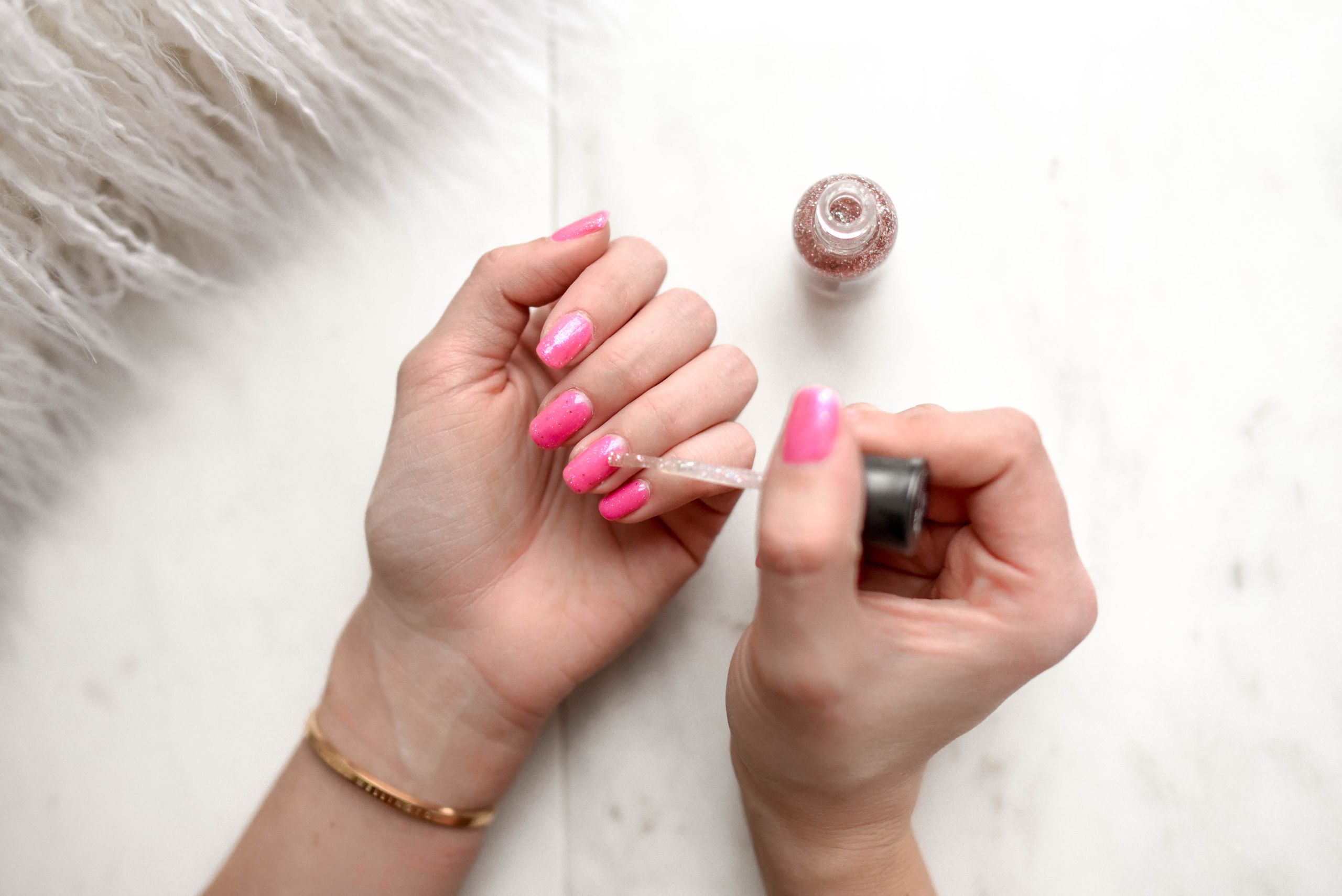
- Use a barrier: Try bitter-tasting nail polish, gloves, tape, or nail coverings to interrupt the habit.
- Replace the action: Keep a stress ball, fidget toy, pen, or chewing gum nearby.
- Set small goals: Start by protecting one finger or one hand, then build progress gradually.
- Reduce stress: Mindfulness, journaling, movement, and quality sleep may help lower urge-driven nail biting.
- Seek support when needed: If nail biting causes bleeding, pain, swelling, infection, or distress, speak with a healthcare professional about behavioral therapy or habit-reversal training.